

Drone IoT
Off-Grid Mesh Connectivity.
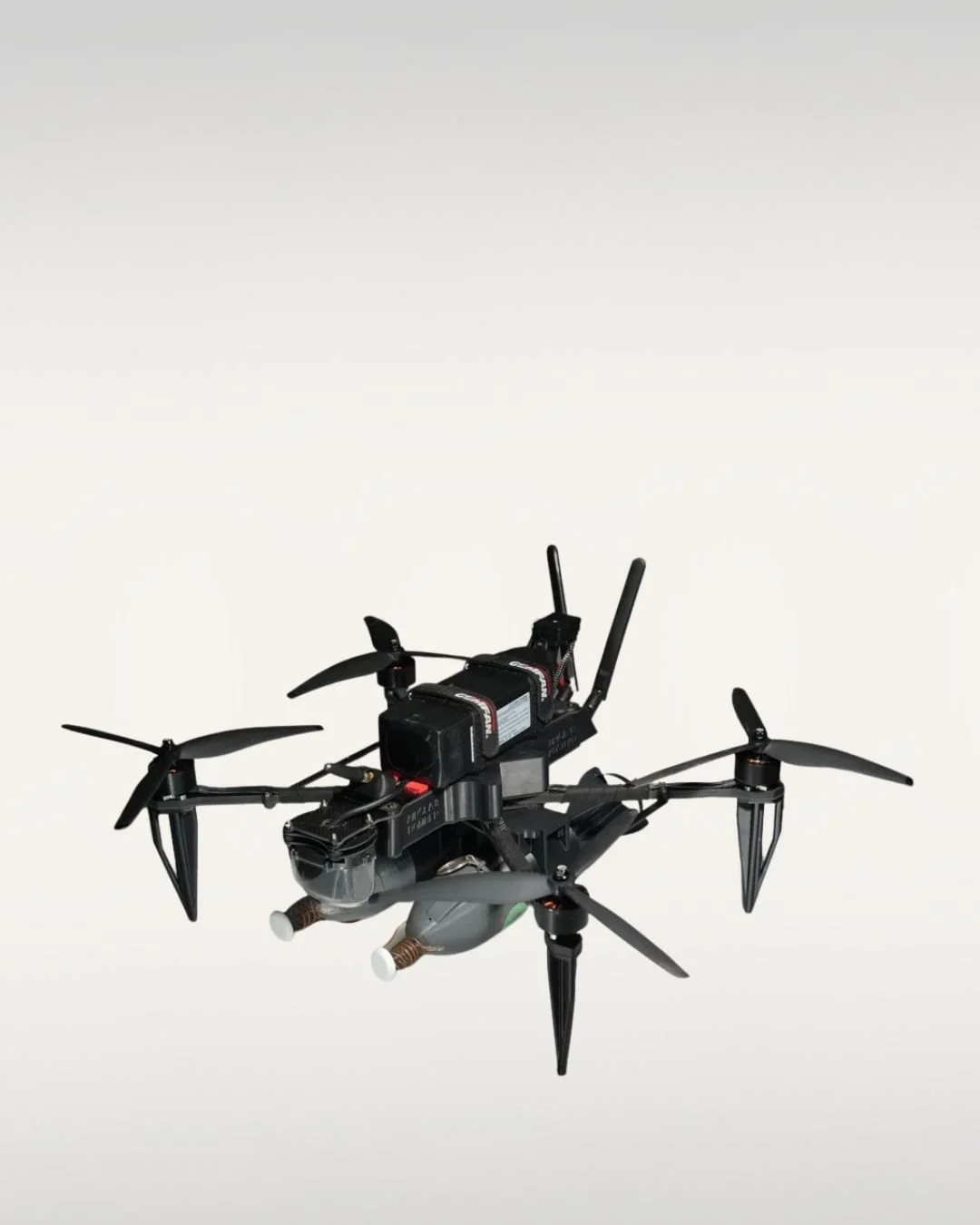
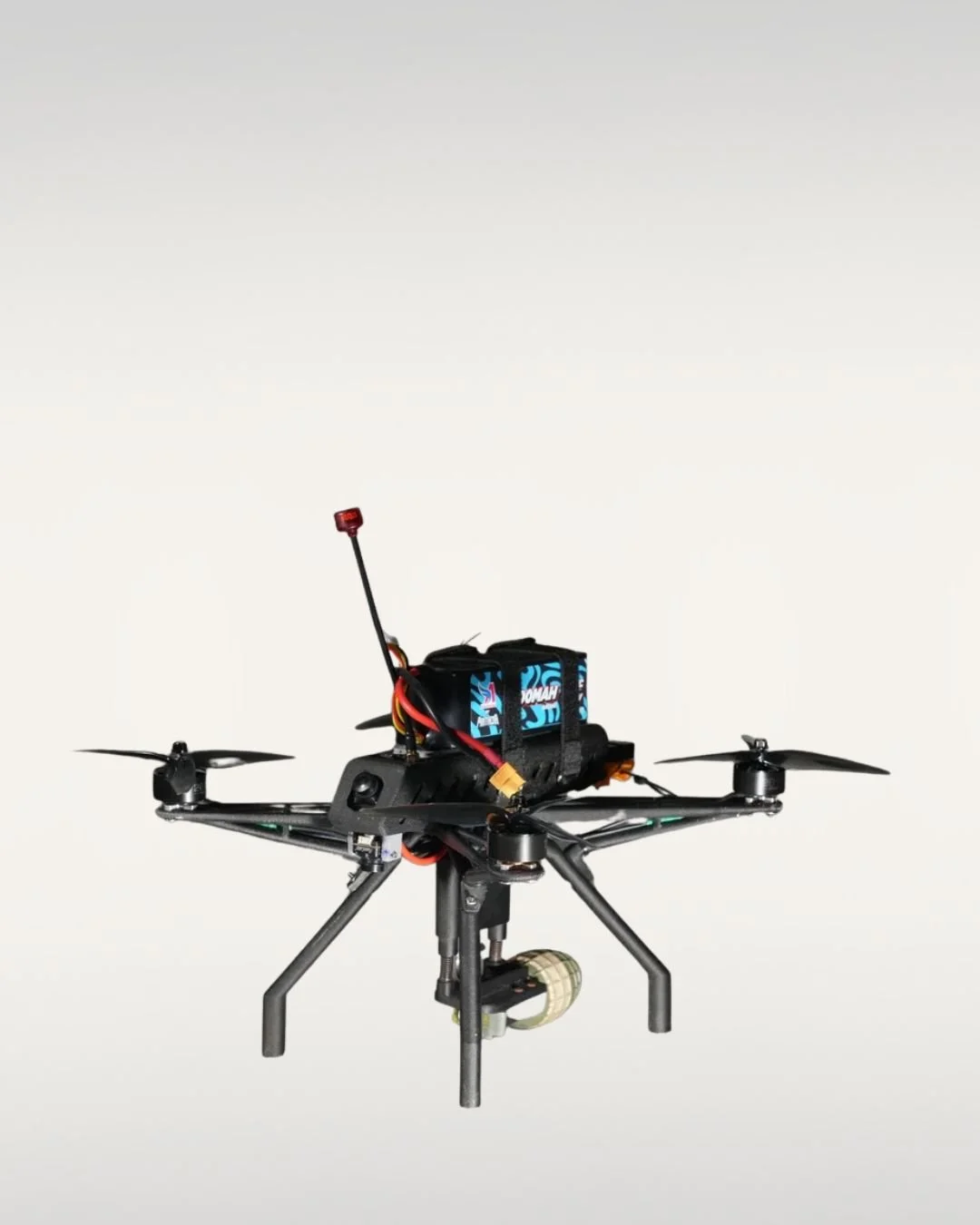
Airsea Pelago Nusantara develops Drone IoT systems built for wide-area monitoring missions where connectivity cannot depend on internet or cellular networks. The platform combines stable flight control with mesh-based IoT communication to keep the drone detectable, connected, and operationally visible through the ground station and web dashboard.

Core Capabilities
A stable platform combined with resilient communication for real-time visibility in remote environments.
Stable Mission Control
A controlled flight platform designed for monitoring and surveillance across wide operational areas.
Mesh-Based IoT
Peer-to-peer wireless mesh networking keeps the drone connected without relying on internet or cellular networks.
Auto Detection
Drone and ground station recognize each other automatically, maintaining an active connection during operations.
Real-Time Data
Live transmission of position, drone status, and operational telemetry to the ground station.
Web Dashboard
Operational data can be monitored via a web-based dashboard with map view and system status display.
Extended Coverage
Mesh architecture expands communication coverage and remains functional in remote environments.
Secure & Efficient
Encrypted communication with low power consumption to support longer operational durations.

AERIAL NODE
Drone
Flight & Telemetry
MESH
↕
FIELD HUB
Ground Station
Local Monitoring
DATA
↕
REMOTE VIEW
Web Dashboard
Global Visibility
Integration Scope

Typical Deployment Scenarios
Industrial Operations
Requiring live status and traceable mission records for audit and compliance.
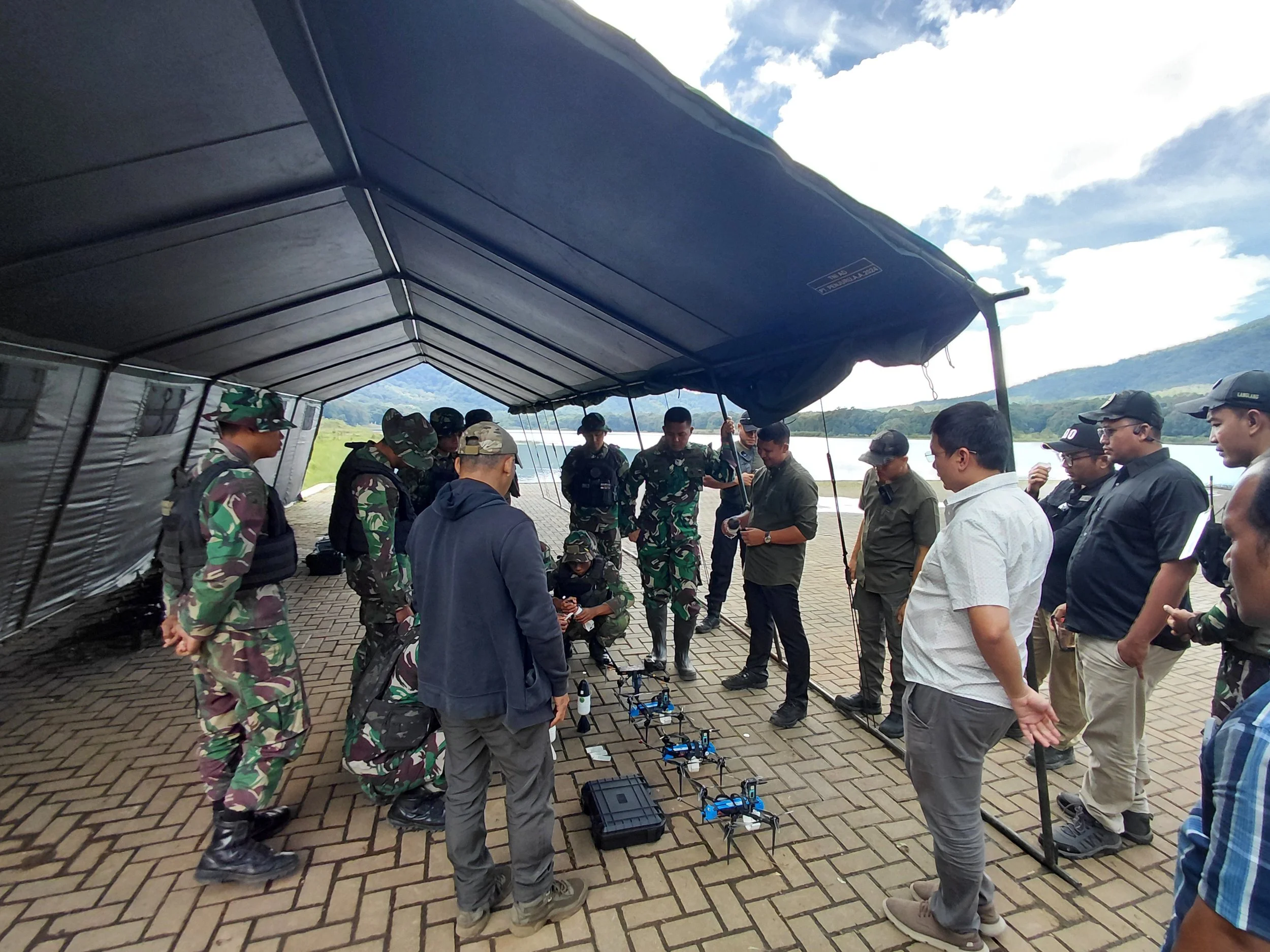
Remote-Area Deployments
Operations where internet or GSM connectivity reliability is a major constraint.
Multi-Team Operations
Complex missions requiring shared visibility and coordination across distributed teams.
How We Work
1. Requirements Mapping
Defining platform, range, environment, and data needs.
2. Architecture Definition
Designing the system architecture and defining data interfaces.
3. Integration & Validation
Hardware configuration, software setup, and end-to-end testing.
4. Handover
Operational handover and documentation for your technical team.